
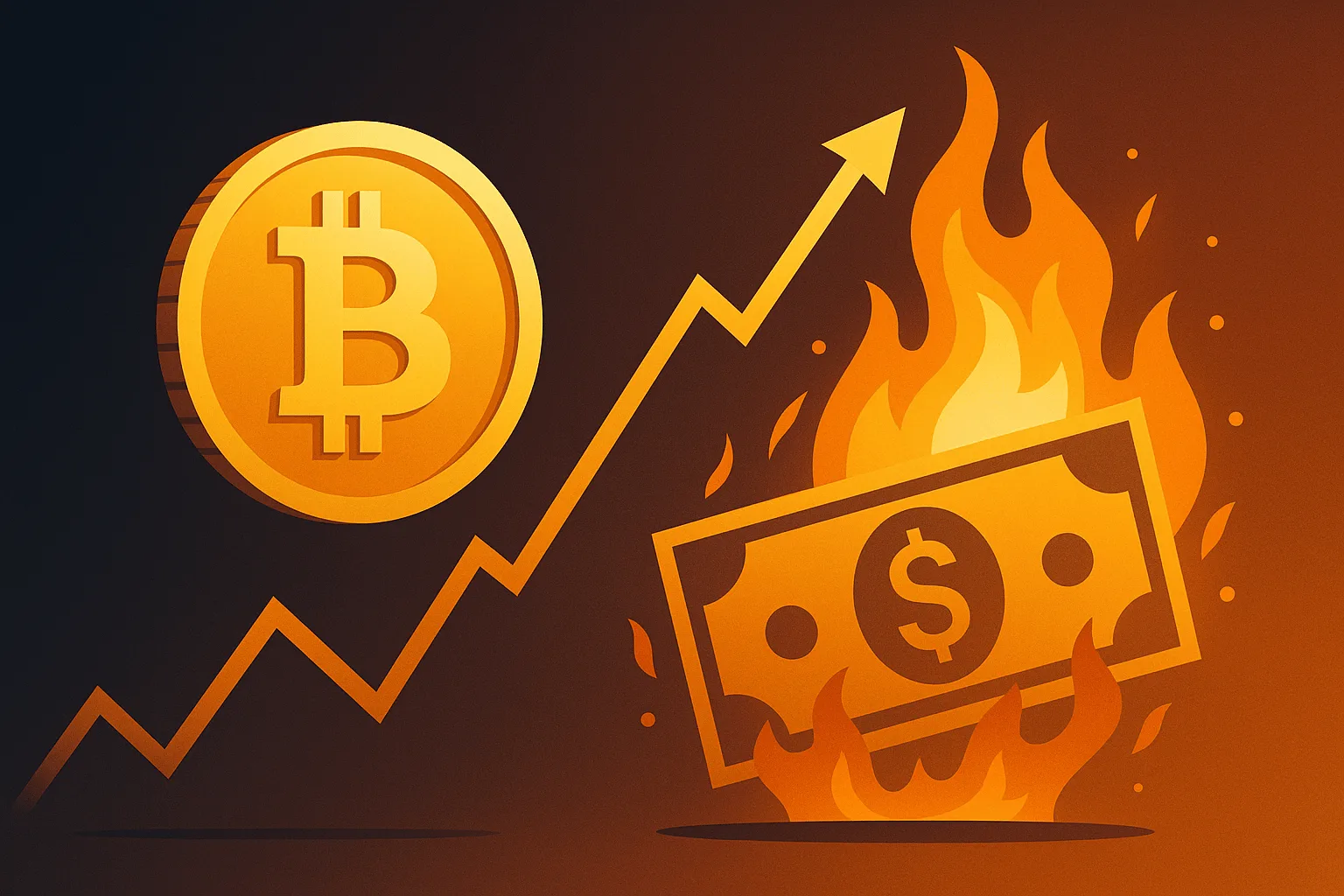
We hear the word inflation all the time, but most people don’t stop to think about what it actually means. In simple terms, it’s this: your money slowly buys less over time. That coffee you grabbed for $2.40 last year? Now it’s $3.15.
On the surface, that doesn’t sound too bad. But inflation quietly changes everything—how we save, how we spend, how we plan for the future.
The Good, the Bad, and the Dangerous
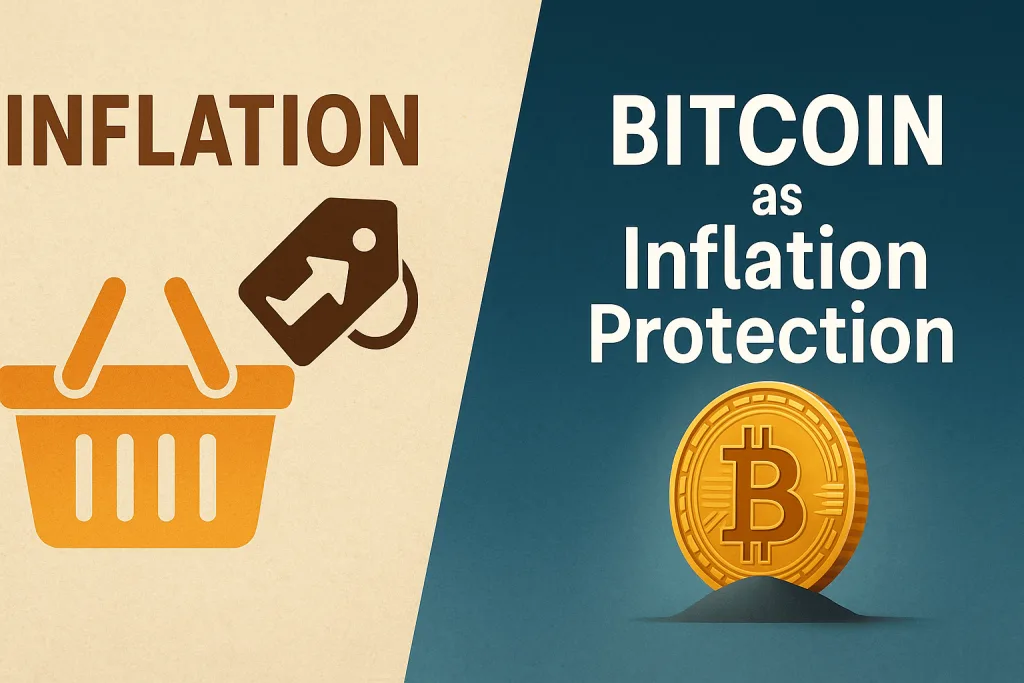
Economists like to say a little inflation is healthy. It keeps money moving. If you know prices will slowly rise, you’re more likely to invest, spend, or build something instead of keeping cash under your mattress.
But when inflation gets out of hand, it’s a whole different story. It can wipe out savings, make long-term planning nearly impossible, and erode trust in a country’s currency.
History has shown us just how bad it can get:
- In 1920s Germany, people needed wheelbarrows full of cash just to buy bread.
- In modern-day Venezuela, the local currency became so worthless that grocery stores started accepting Bitcoin because it was more stable than their own money.
When paper money stops working, people look for alternatives like gold, real estate, crypto, anything that holds value or that may even increase it.
Why Bitcoin Feels Different
Here’s where Bitcoin steps into the picture. Unlike traditional currencies, there’s a hard limit. Only 21 million Bitcoins will ever exist. No government can print more, no central bank can dilute its value.
This built-in scarcity is what makes Bitcoin attractive to many. Think of it like digital gold—an asset designed to be resistant to inflation. Its rules are written into code, not decided in closed-door meetings.
And unlike cash, Bitcoin actually becomes harder to get over time. Mining rewards decrease, meaning fewer new coins enter circulation. Combine that with growing demand, and you get upward pressure on price, which is why so many people see it as a hedge against inflation.
It’s About Choice
Does this mean Bitcoin is risk-free? Definitely not. Prices swing wildly. But it offers something most currencies don’t: transparency.
- You can see how many coins exist.
- You can verify the rules yourself.
- You’re not at the mercy of a central bank deciding how much your money is worth tomorrow.
It’s not about betting everything on Bitcoin. It’s about having a choice in a system that usually doesn’t give you one.
The Bigger Picture
Inflation isn’t an accident. It’s part of how the global financial system works. Money is designed to lose value over time, that’s a given. It keeps economies spinning, but it also forces savers to run just to stand still.
Bitcoin flips that idea on its head. By capping supply and removing centralized control, it offers a completely different model, one where scarcity is guaranteed and no single entity calls the shots.
That doesn’t mean it’s perfect. But for many, it’s a way to step off the treadmill, store value securely, and take back a little control.
Is Bitcoin your cure for inflammation as well? Let us know in the comments.