
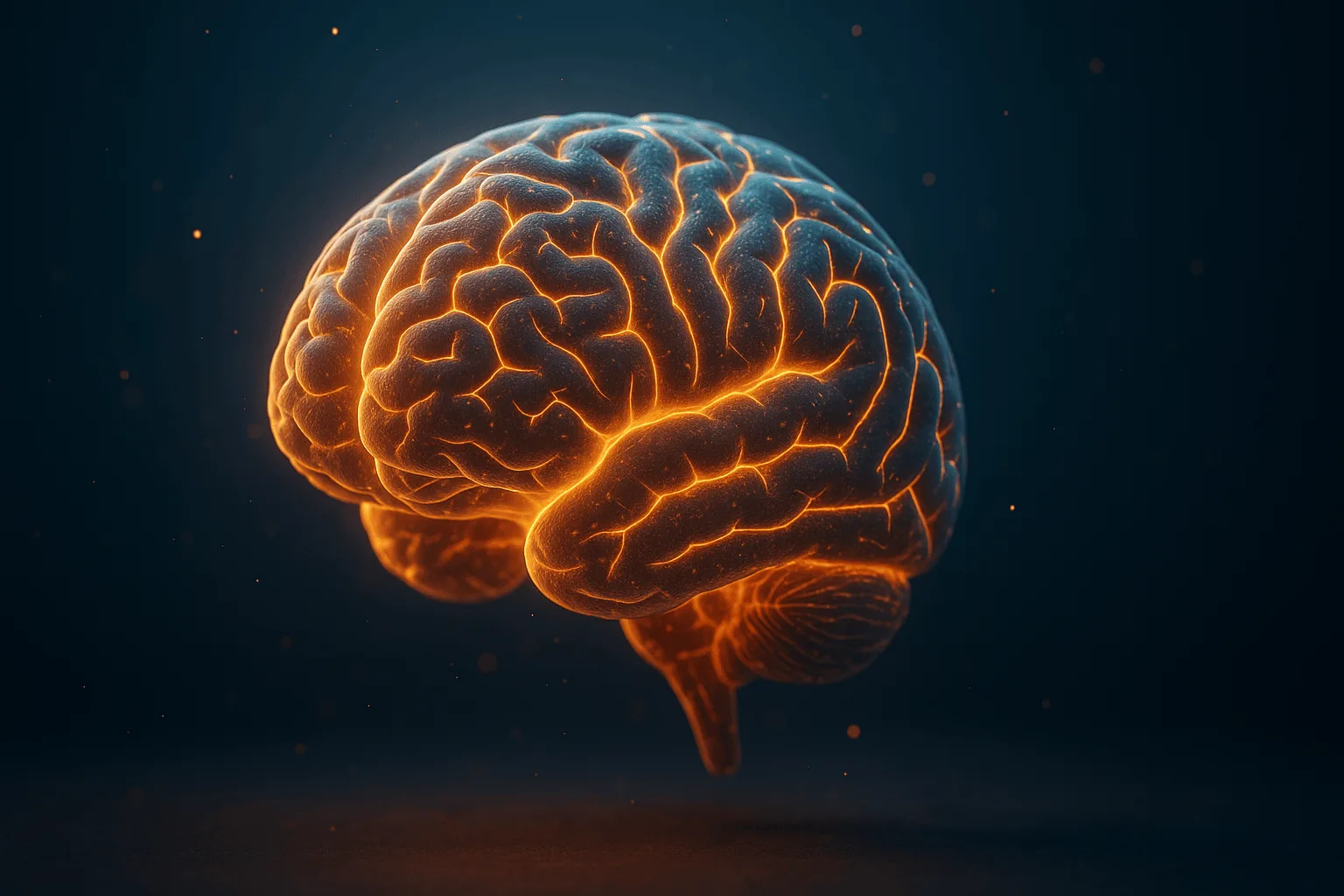
When we hear the word “intelligent,” most people immediately picture someone acing a math test, solving puzzles in seconds, or maybe quoting Shakespeare mid-conversation. And sure, that’s one kind of intelligence. But the truth in this case isn’t that simple. Being smart isn’t a one-size-fits-all thing as there are many factors in play.
Different Types of Smarts
We all know that classic IQ—logical, analytical, problem-solving type of smarts. Then there’s EQ (emotional intelligence), which helps you understand, manage, and connect with emotions—yours and other people’s. But beyond those, there’s also creative intelligence, spatial intelligence, musical talent, mechanical ability, and even social smarts (yes, being a great party host is a skill).
Some people can take apart a car engine and put it back together, but get totally lost writing a birthday card. Then you have people that can just whip up a poem that’ll make you cry but couldn’t figure out their taxes if their life depended on it (which it kind of does). Intelligence takes many forms, there’s no denying it. So, what shapes it? Is it just our genetics are we just born that way? Our upbringing and/or environment? Maybe even our confidence? Basically it’s a combination of all of those things.
Think of it this way. If you’re not encouraged to explore your strengths, or if you don’t believe in your ability to learn something new, how could you get to that hidden genius? It might just stay buried under self-doubt.
A Mixed Bag
We shouldn’t forget that being gifted in one area doesn’t automatically mean we are all set. We all have a mix of sharp and not-so-sharp traits in our locker. It’s like making a character in a video game, you can’t have all the stats to the max (unless you got some hacks maybe, but unfortunately that kind of a life hack doesn’t exist). That’s what makes us interesting. That’s not to say that we are all intelligent/smart in some way. There’s people that just didn’t get a lucky draw in one way or another and they just don’t fit any above average categories. That also doesn’t mean that they can’t be successful in life or even happy, in fact sometimes higher intellect can correlate with lower levels of happiness. But more on that in some other post.
So, let’s talk about 7 subtle, real-life signs you might actually be more intelligent than you give yourself credit for—even if you’ve never taken a Mensa test.
1. You Ask “Why?” — A Lot
You question things. Whether it’s a new policy at work, a social norm, or why pineapples go on pizza (or don’t), you’re not just accepting things at face value. You want to understand the “why” behind it all. That natural curiosity? Classic sign of intelligence.
2. You Notice Patterns — Not Just in Numbers
You’re that person who says, “Haven’t you noticed she’s only nice and texts when she needs something?” or “Every time the weather shifts, my allergies flare up.” Spotting different patterns in non-verbal communication, speech, or even daily life events shows strong observational and analytical skills. Those are huge parts of intelligence.
3. You can say “I Don’t Know”
Smart people aren’t afraid to admit and say when they don’t know something. They know that they will learn that information fast and next time they will be able to use it once an opportunity presents itself. People with low confidence and lack of information will try to fake it and act as if they know. In fact, smart folks get excited about learning. If you’re the type who’d rather look something up than fake an answer, you’re probably operating at a higher level of self-awareness (and intellect) than you think.
4. Risk-Taking

Ever wonder why some folks jump into new stuff while others don’t? Turns out, it’s not just personality, it’s also brain stuff.
Brain science now sees that taking risks is how we decide things and get creative. Inside your brain, is a system (dopaminergic system) that helps you think about the excitement of something new, against what you already know. It’s what happens when you get a win on a reel, get a prize, feel pumped, or chase a target.
So, if you’re thinking about a new job, starting a small biz, or trying some new food, and getting that buzz, it’s that shot of dopamine pushing you. This research suggests that the people that don’t have that kind of drive might exhibit lower brain activity.
Risk isn’t something abnormal or crazy. It’s human. At times, it’s what makes you grow, be new, or have a cool story.
5. You Poses a Sense of Humor (The Weird Kind)
There’s this thing called the incongruity-resolution theory. It basically says that understanding jokes, especially clever, ironic, or dark humor ones requires high-level cognitive function. So, if you’ve got a sharp wit or love satire and understand complex comedy, it’s not just fun, it’s smart.
6. You Tinker, Build, or Doodle
Ever took apart some of your toys to see what’s inside or how they work? Maybe these days you fix broken things at your home just for fun. Sketch while on calls, or enjoy solving little problems (like optimizing your morning routine)? That hands-on, creative energy is a big indicator of spatial, visual, or mechanical intelligence. That means you’re using parts of your cerebral cortex others overlook.
7. You Change Your Mind (And You’re Okay With It)
A surprising sign of intelligence? The ability to change your opinion when new information comes along. If you’ve ever said, “You know what? I used to think that, but now I’m not so sure…” You are showing that you are not a prisoner of your own ideas and that you can change your way of thinking if presented with some new evidence / information. That’s a huge indicator that your brain is flexible, open, and actively evolving. This shouldn’t be confused with people constantly changing their ideas just because someone tells them different of course.
Conclusion
Intelligence isn’t about knowing everything or being the loudest voice in the room. It’s about being curious, open, self-aware, and always willing to learn. Information comes in many forms like books, the internet, experiences, people, or even your own mistakes.
So, do you have good enough introspection to know your intellectual attributes? Do you work on your weaknesses and how? And which of the traits mentioned above did you most find yourself in? Be honest and let us know in the comments!