
The only thing history is fully rich in is marvelous stories, we could say. But if we get quite honest, we would say, yes, that among the “facts” we grew up with, some belong to fairy tales rather than history books. Through centuries of paintings, dramatic replays, and the deployment of Hollywood, some myths have become part of the family heirloom. And funny enough, most of us still believe that until today.
In this light, let us present the most widespread and delectable 7 myths of history so that everyone is clear on what happened.
1. People Thought The Earth Was Flat
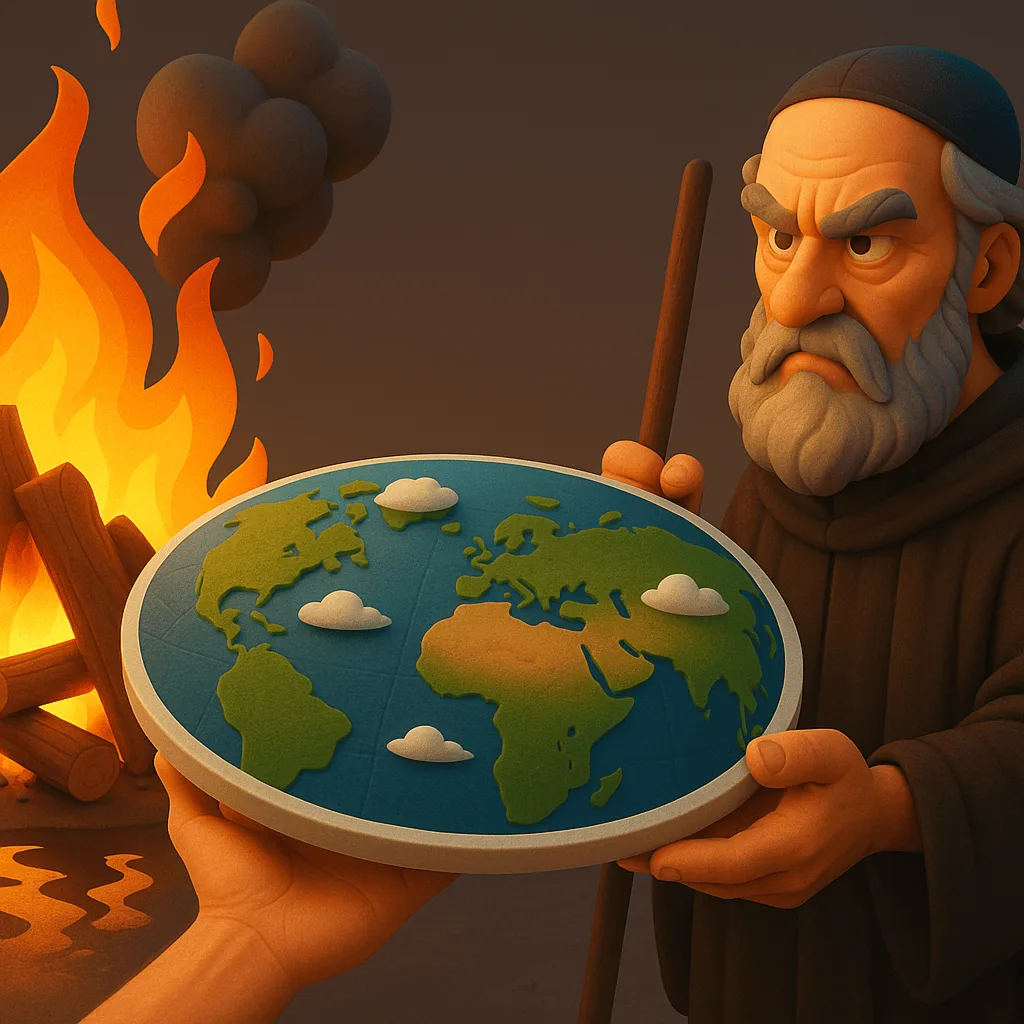
The most widespread cliches in the whole of history would have to be the idea that people, while they were in the Middle Ages, would have believed in a flat Earth. It would be nice to picture off, perhaps, sailors gripping the hulls, peeping with anxious eyes over the horizon, for fear of losing their heads, somehow.
Admittedly, after all, sailing ships vanished over the horizon in the most normal way and screamed, “Hello, flat world!” Most scholars knew the Earth was a round sphere long before the Middle Ages ever set in. Yet we probably maintain that ancient personoids were doltier than they really were.
Let’s take the example of Giordano Bruno. He oftentimes is cited as the man burnt at the stake for saying the Earth was not flat — wrong. By Bruno’s day, serious people had ceased to quarrel over the Earth being flat or spherical; what got Bruno really into trouble was that his crazy and interesting idea of an infinite universe was simply filled with stars, perhaps some with planets, and perhaps with some life forms of their own. Then came some unusual religious speculations, whereupon the Church decided that he had gone too far.
Bruno’s life mingles with that of a flat Earth, but here it’s really something else: how challenging any authority with bold, imaginative ideas could be, in those days, really dangerous.
2. Vikings Wore Horned Helmets
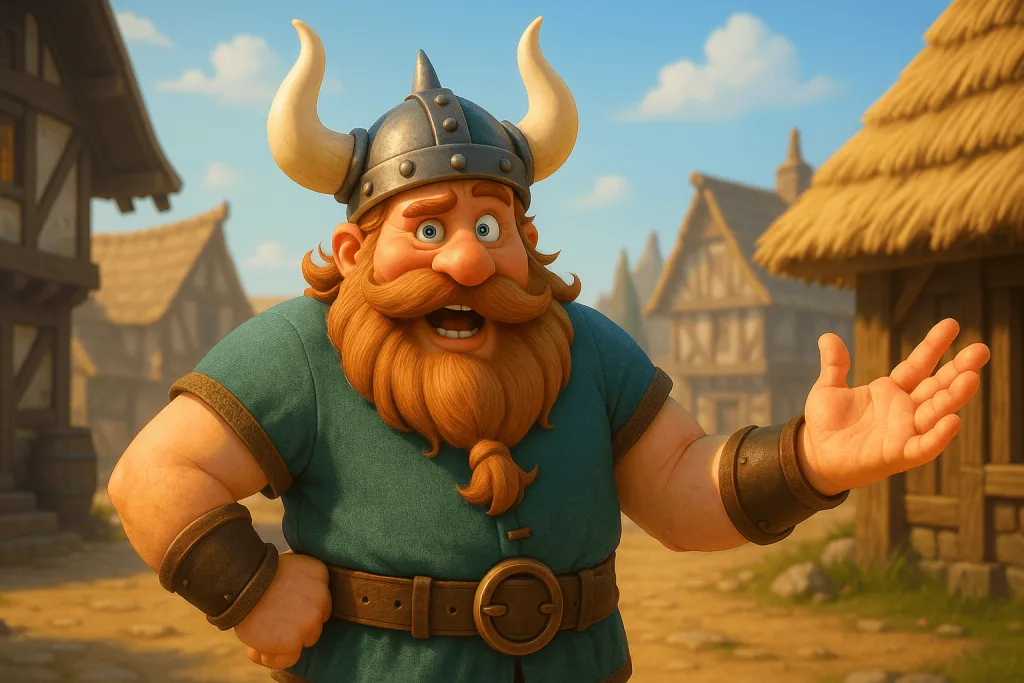
If you’ve seen one Viking outfit, then horned helmets are a must. Perhaps so. They look quite intimidating, are certainly theatrical, and are valuable for the coolness factor. But did Vikings even wear these helmets in battle? No.
No Viking helmets with horns were ever found with archaeologists in Viking jewelry or any “shield-y” things. The myth originated in the 19th century, when artists and scenic designers decided that horns made the Viking genre so much more exciting for their operas. They were a practical lot: protection in battle…sure; horns to enable the opposition to catch hold of and just yank away…hell, no. But the myth has persisted, and we can never again think of Vikings without tickling images of them head-banging their way through the seas.
3. Life in the Middle Ages Was Short and Miserable
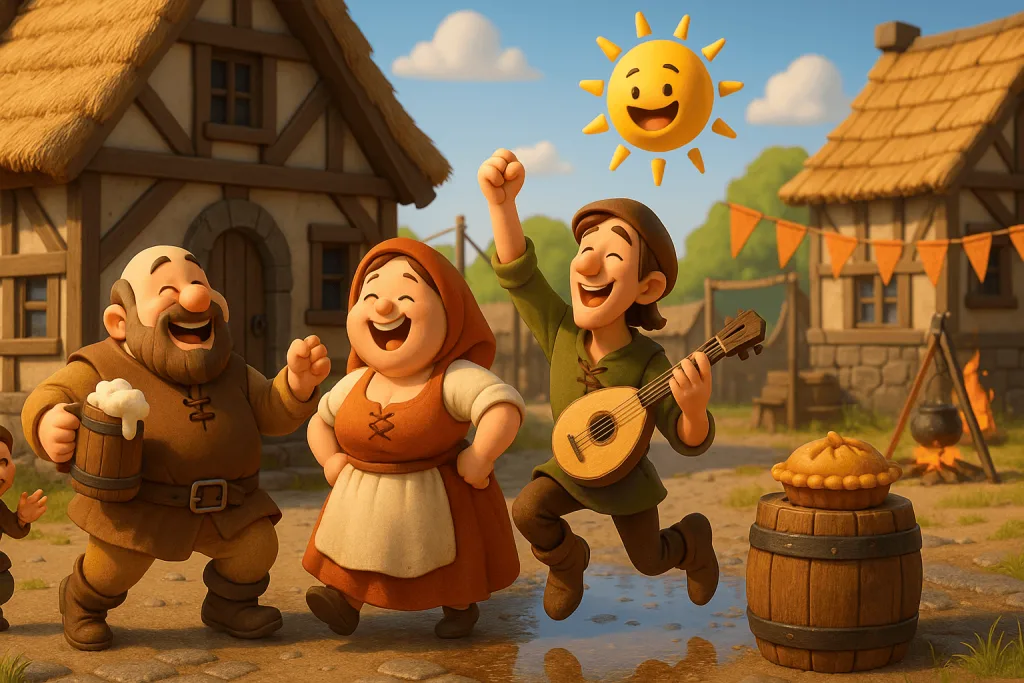
The Middle Ages looked grim in popular imagination: everyone dying before thirty, possibly losing their teeth along the way. Life did have its hardships: plagues, wars, no Netflix subscription, etc.; however, life does have some easy day on the sunny side.
The primary skewed cause of this impression slightly lay right with high infant mortality rates. Many kids wouldn’t be getting past 5, unfortunately, and those lucky enough to make it past that harsh winter were still around to at least 60, amble or so, and sometimes longer. Festivals, music, storytelling, and colorful holidays were their form of entertainment. They brewed beer; they teased one another and made merry. People had fun with their friends and family. They didn’t know of all kinds of things that make our lives better and easier today so they didn’t miss them. They lived better than their ancestors and that’s the only life they knew, which is only normal when you think about it.
In other words, it was not the entirely wet mess state like we wrongly presume, but it had its brighter side.
4. Napoleon Was Short
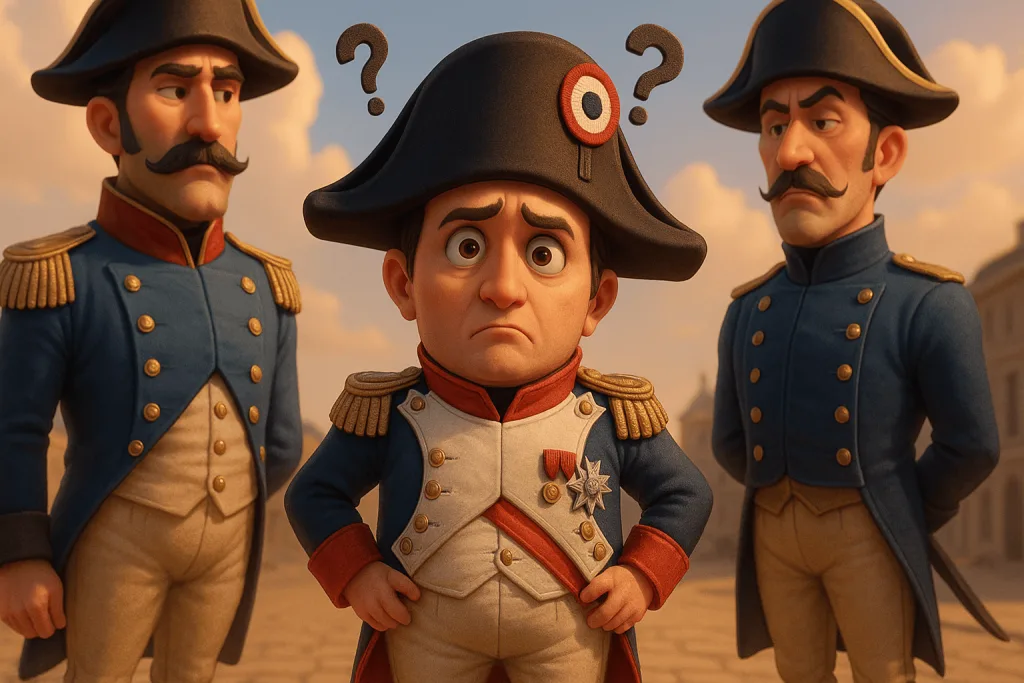
Poor Napoleon. He conquered half of Europe, sending countless armies from here to kingdom come and bequeathing to the world the Napoleonic Code. And what has posterity remembered him for? His height and temper.
Around 5’6″ or 5’7″; medium height for an early 19th-century gentleman, or slight misstep with measurements (French and English systems). The British press loved to call him Little Corporal, and the name stuck. So while not a giant, he was not a pocket-sized being as history has long depicted him.
5. The Trojan War was fought for Helen of Troy
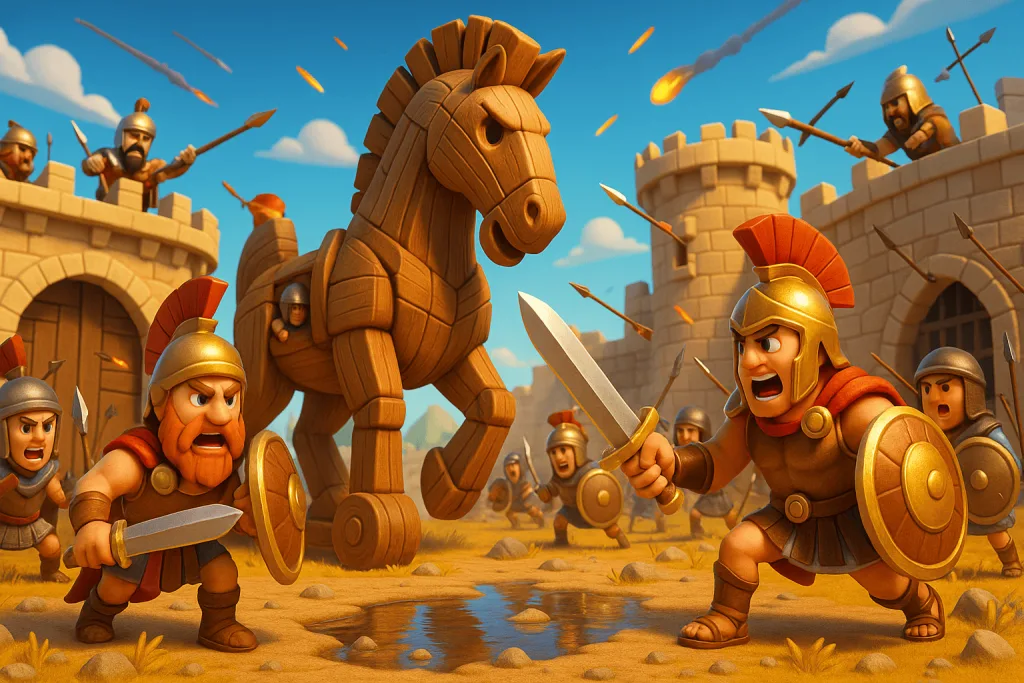
“She was the face that launched a thousand ships,” right? So, the Trojans and Greeks must have been at war over Helen’s beauty. It is a fascinating theory and so much filled with drama and loneliness but maybe not as SMMY as all that.
Most accept the Trojan War, in the way that most storytellers construct it, was more about containing turgid trade routes–control Troy, control the strategic key junction between Europe and Asia–than just a love story, in truth. Gravitating to hyperbole, however, admits the chic-quotient of the rumor–“Men allegedly fought over real estate for a shipping link.”
6. Columbus Was the 1st Person to Discover America
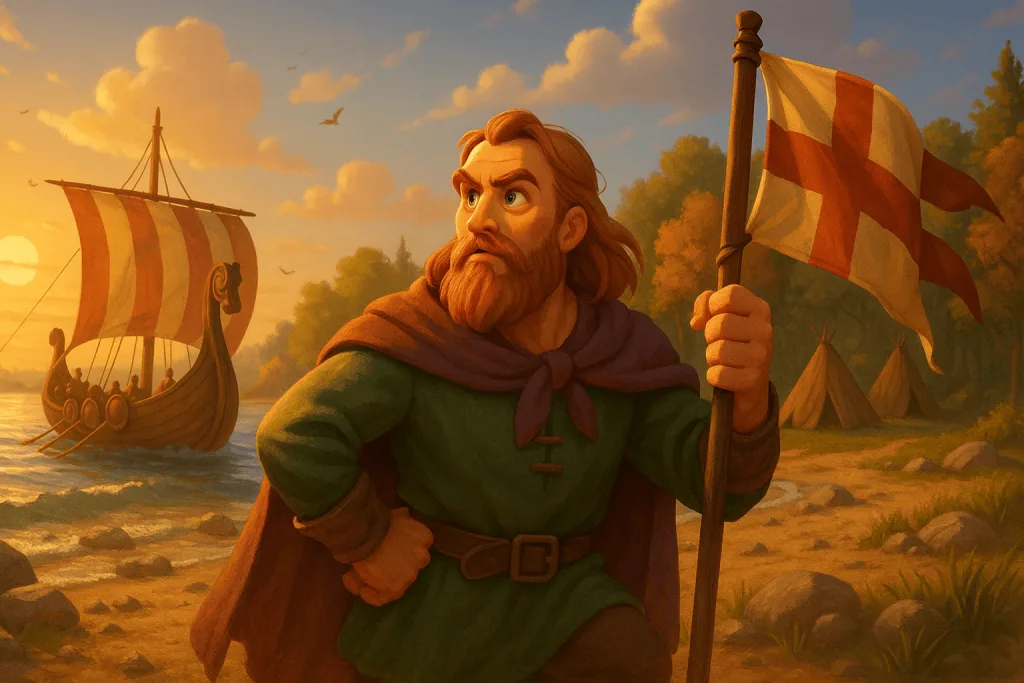
Now, everyone knows that Columbus sailed the ocean blue and found America in 1492. Never mind that there were already millions of people living on the land, with their civilizations, big cities, and rich traditions.
Columbus was almost last in all Europeans who could have done such a thing, though. An earlier European (we are sure) coming, Norwegian explorer Leif Erikson, reached the Northeast coast of the New World all the way over there in Newfoundland, Canada, well before 1001. Columbus’s accomplishments and voyages were key, but he can hardly be classified as the bringer of its discovery. This is truly akin to walking into somebody’s house, pointing a finger wide-eyed around and saying, “Look what my eyes caught!” upfront depositing a flag in their living room–not cool at all.
7. Medieval Doctors Didn’t Wash Their Hands
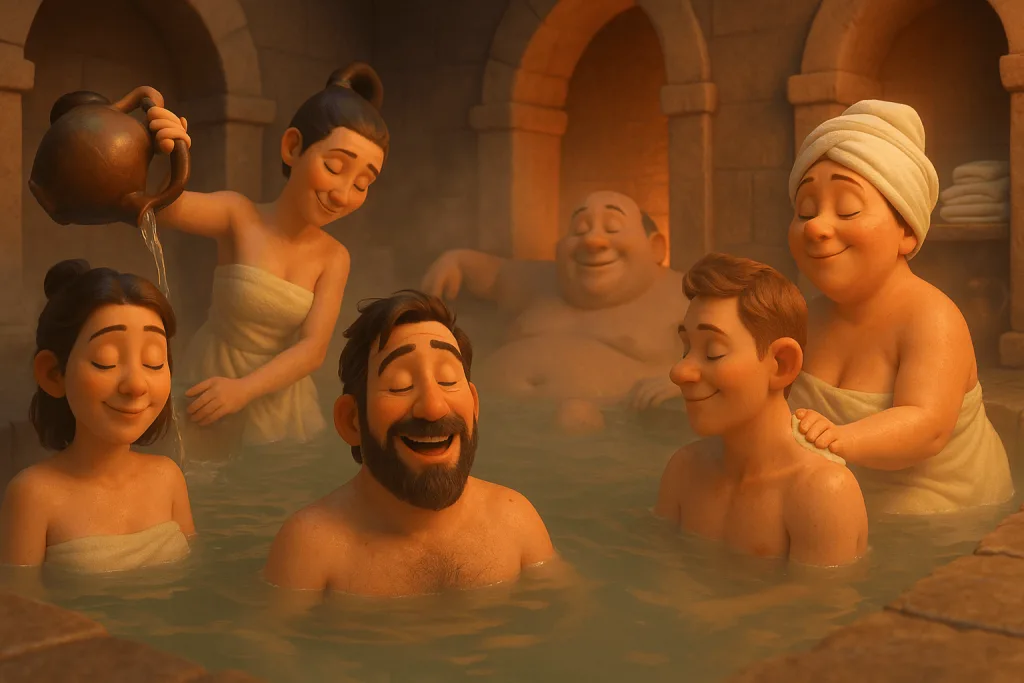
It’s easy to picture medieval streets as places of unbearable stench and unwashed people shuffling about—but that’s mostly exaggerated.
Yes, hygiene wasn’t up to modern standards, but people did care about smelling decent. They used perfumes, herbal sachets, and even rinsed with vinegar or flower water. Bathing culture was alive and well in many regions—only later, during certain plagues, did fear of water cause habits to change.
So, not everyone stank to high heaven—many actually smelled pleasantly of lavender and mint!
The Fun of Busting Myths
The interesting thing about history is that it has lovely stories-some real, some greatly exaggerated, and some fabricated in due course. Busting myths, as such, will do much good instead of distorting events. Behind these myths are real people caught up in these events that deserve our curiosity as they indeed often were very intelligent, pretty sensible, and much more interesting than the stereotypes would suggest.
So, the next time you hear about Columbus discovering America or Vikings headbutting with horns, consider yourselves more enlightened (and maybe rather surprised your mates with it).